
Desert Fox Simulator

The Journey of an Isolated Fox through a Mysterious Desert
About the project
This sandbox game was created by a team of six over the course of 12 weeks. It is an atmospheric exploration project set in a vast, mysterious desert, blending a stylized oil-painting-inspired art direction with realistic interactive sand effects. Players follow the fox as it journeys through ancient ruins and cultural remnants, uncovering a world that feels both haunting and alive.
I was responsible for:
Art style lead, Character and Rigging, Stylized Shader and Foliage System

Character Design and Creation


Character concept and brainstorm
For our fox character, I began with research and brainstorming around the project’s narrative. The original concept was set hundreds of years in the future, after the decline of human civilization. In this vision, the desert fox was once a companion to humans, carrying robotic parts and worn clothing as remnants of that past connection.
However, since this was a 12-week project where we had to build everything from scratch, including modeling, rigging, and creating a sandbox desert environment with a stylized art style, so we cut down the design. The final character became a simplified desert fox without additional decorations, allowing us to focus on core gameplay and visual cohesion while still capturing the essence of the world.

Sculpted model

Retopology and UV


Base texture

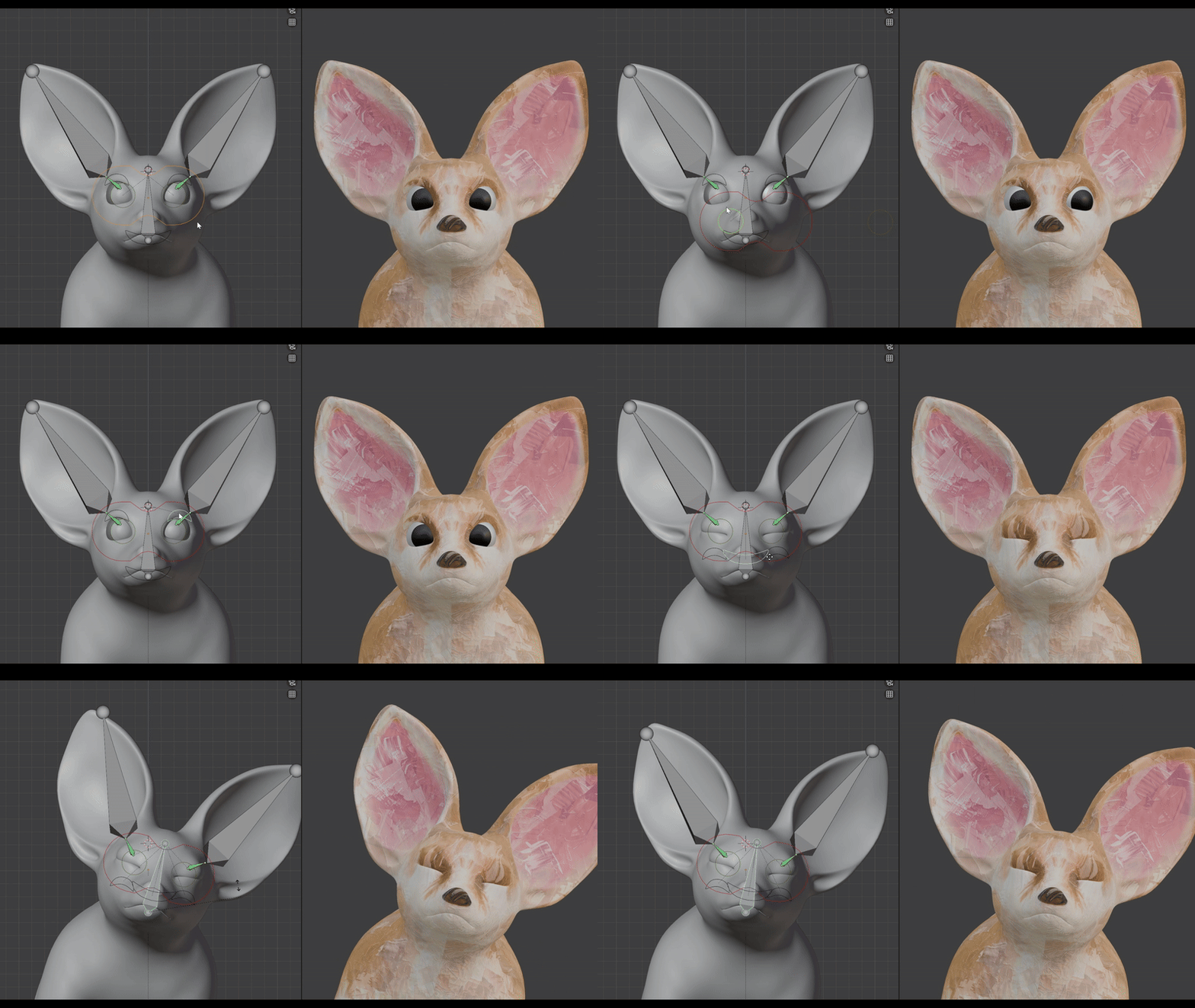
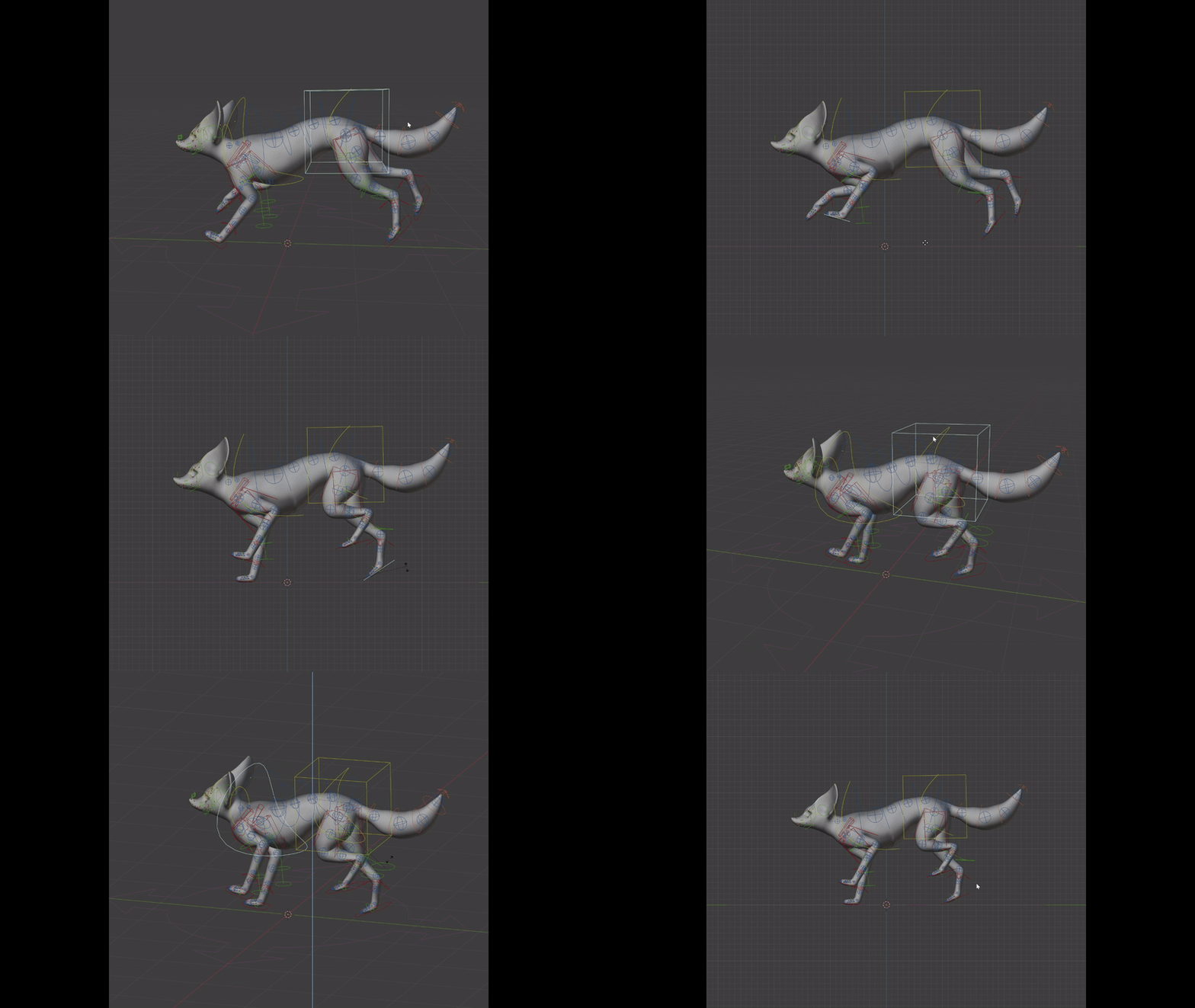
Rigging

Fur research
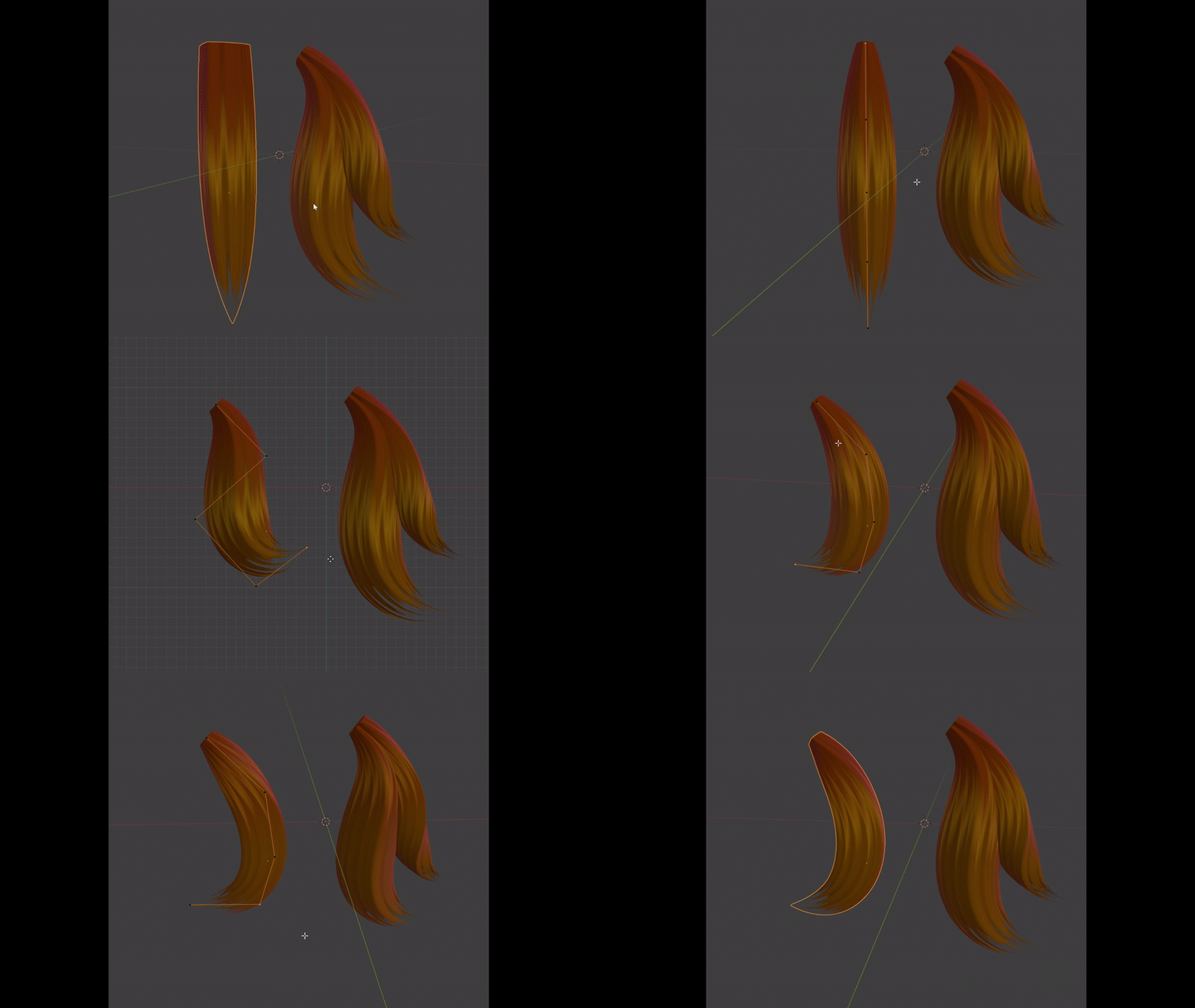

Fur test 1
Shader and Stylization
Shader showcase

Custom post-process shader
(UE)

Fur displacement
(Substance Designer)

Material world displacement
(UE)
As our art style evolved through several tests, we decided to pursue an oil-painting-inspired look. To achieve this, I created a custom post-process shader using the Kuwahara filter method. The shader was built with three layers: background, midground, and foreground. Each layer was adjusted individually to control the level of detail and the size of brush strokes, which gave the environment a dynamic, hand-painted quality while preserving depth and clarity in the scene.
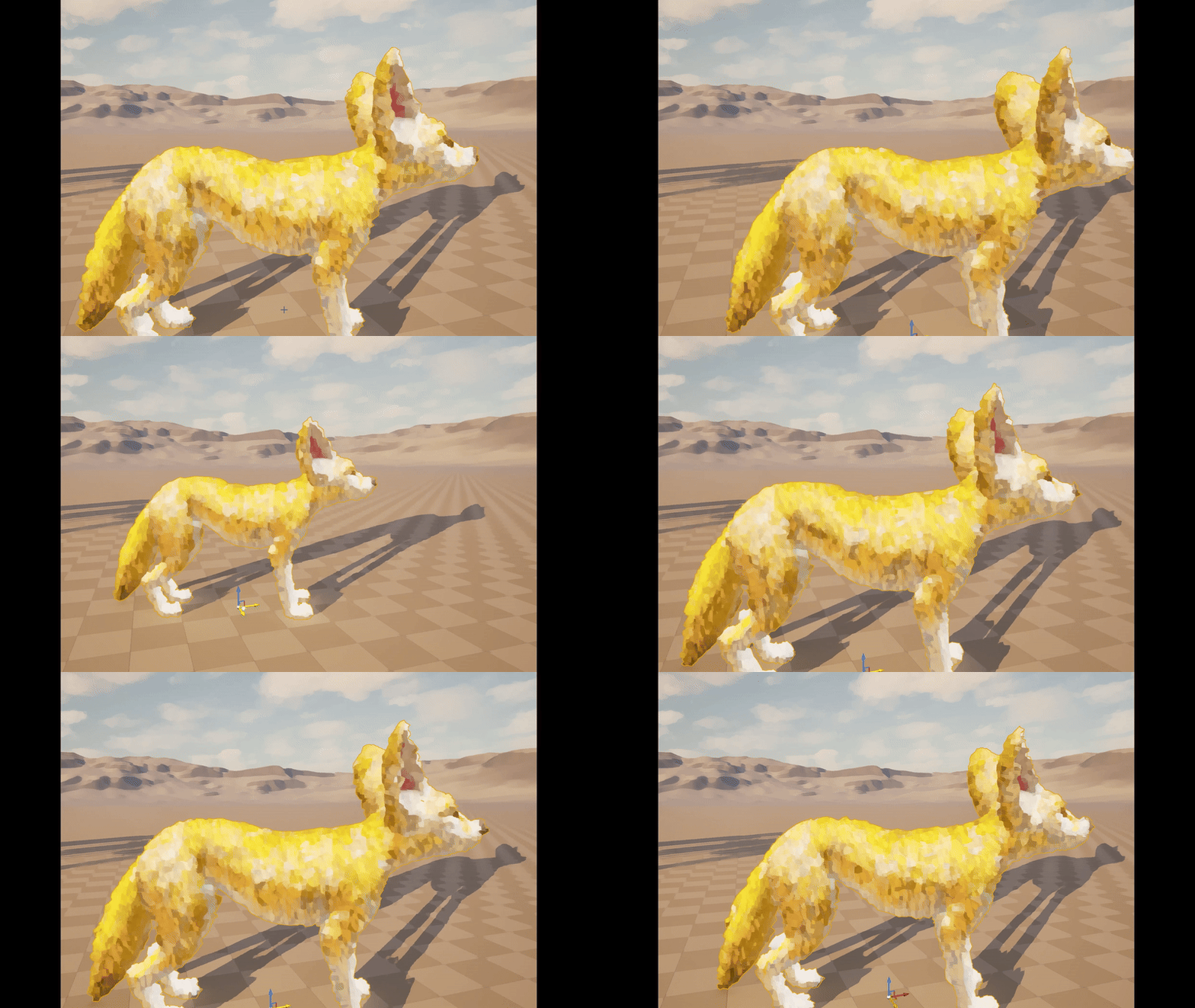
Frame by frame repaint effect
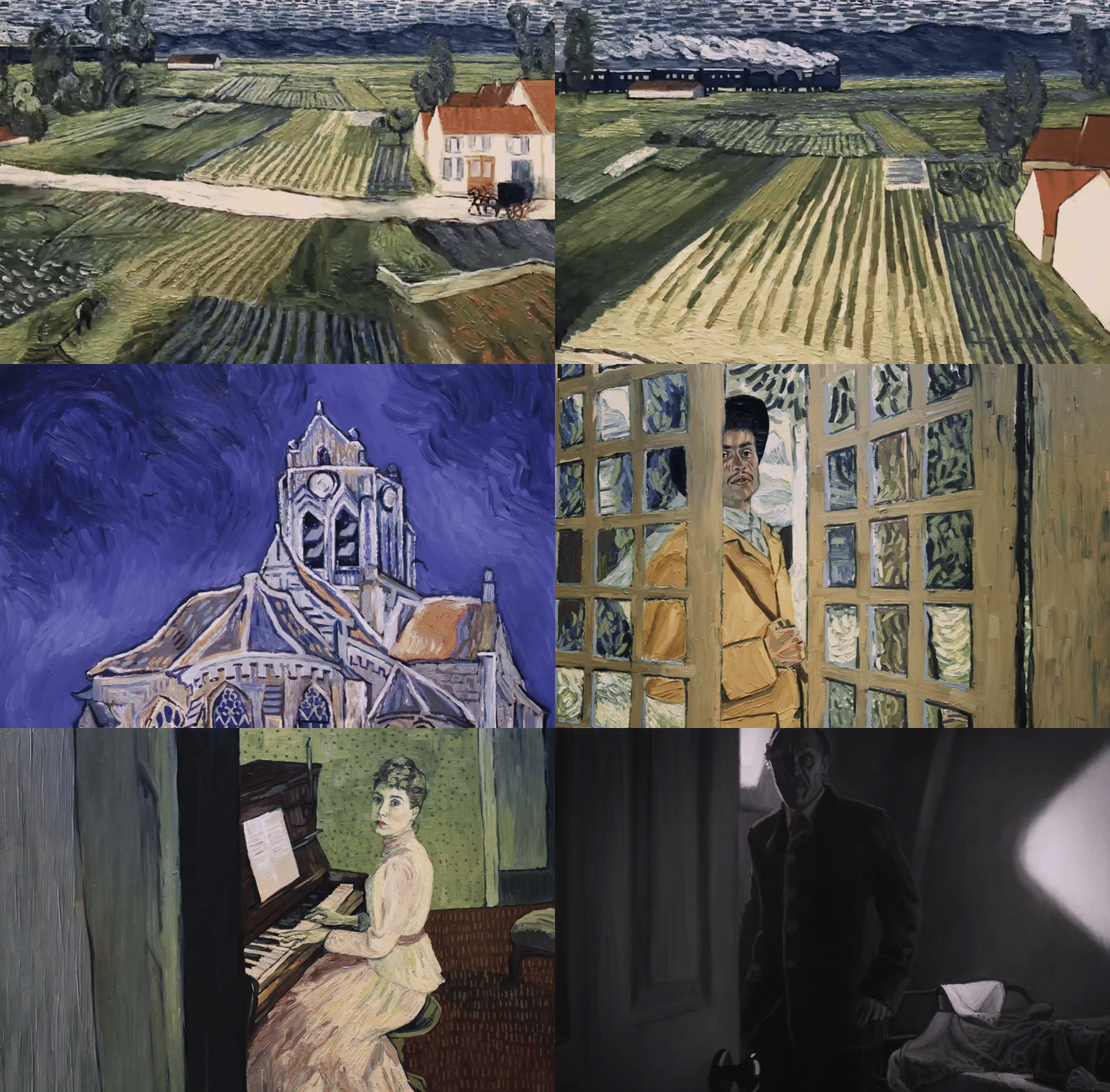
Reference: Movie Loving Vincent
I created a custom fur texture map in Substance Designer and implemented the normal and height maps into the fox’s skin material. These maps were then connected to world displacement, producing a dynamic surface that shifted slightly each frame. This technique created a frame-by-frame repaint effect inspired by the visual style of the film Loving Vincent, giving the fox a living, painterly quality that matched our oil-painting art direction.
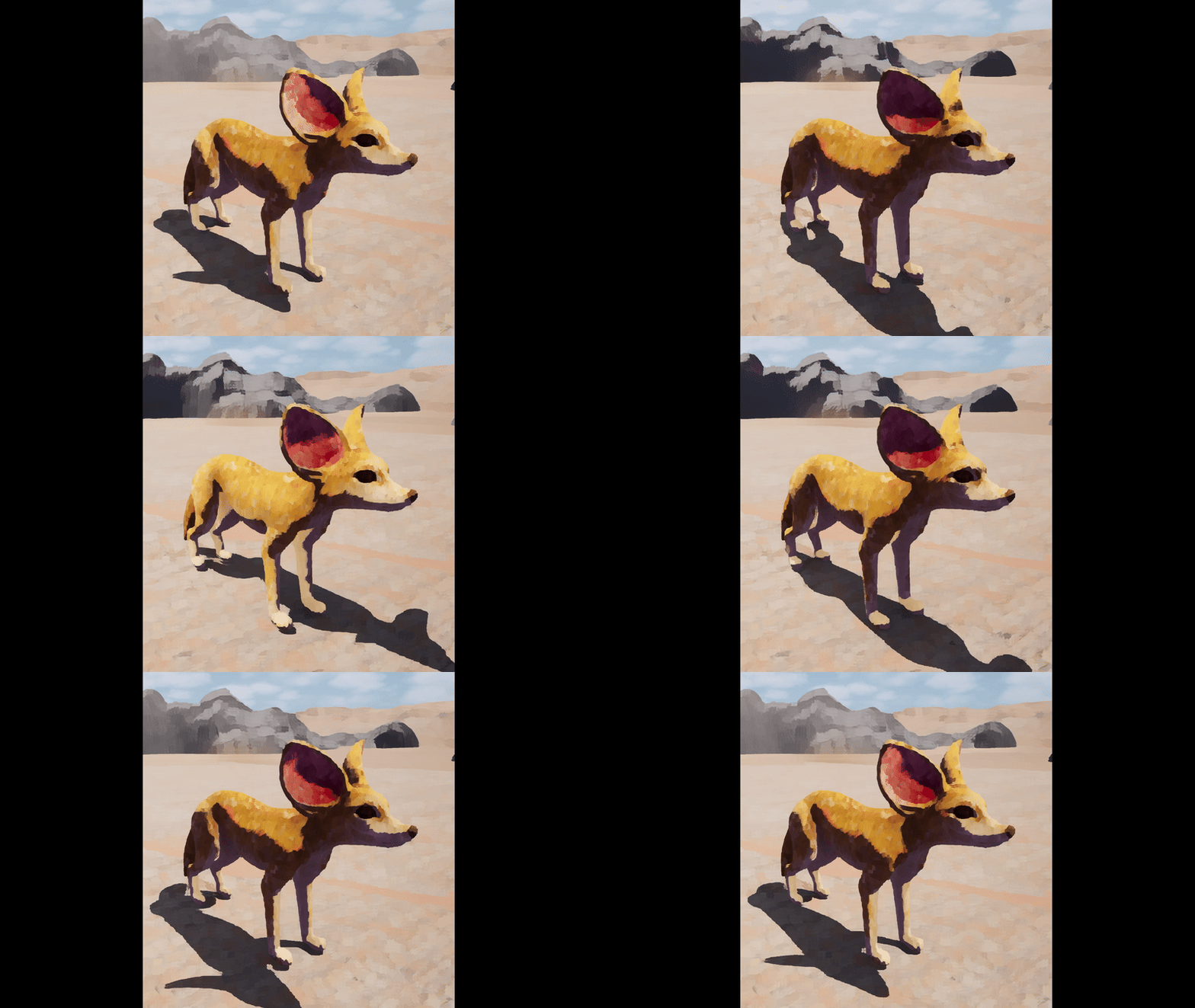


Colored shadow and highlights with terminator line, change with lights
Finally, I created an additional layer for the fox’s skin material that reacts dynamically to sunlight. This allowed us to control the shadow colors using a terminator line effect, which emphasized the feeling of the fox living in a strong desert light environment. Each section could be adjusted individually, with different colors assigned to highlights, mid-tones, and shadows, giving us greater artistic control over the character’s appearance and reinforcing the stylized look.
Foliage system


Painterly effect foliage test
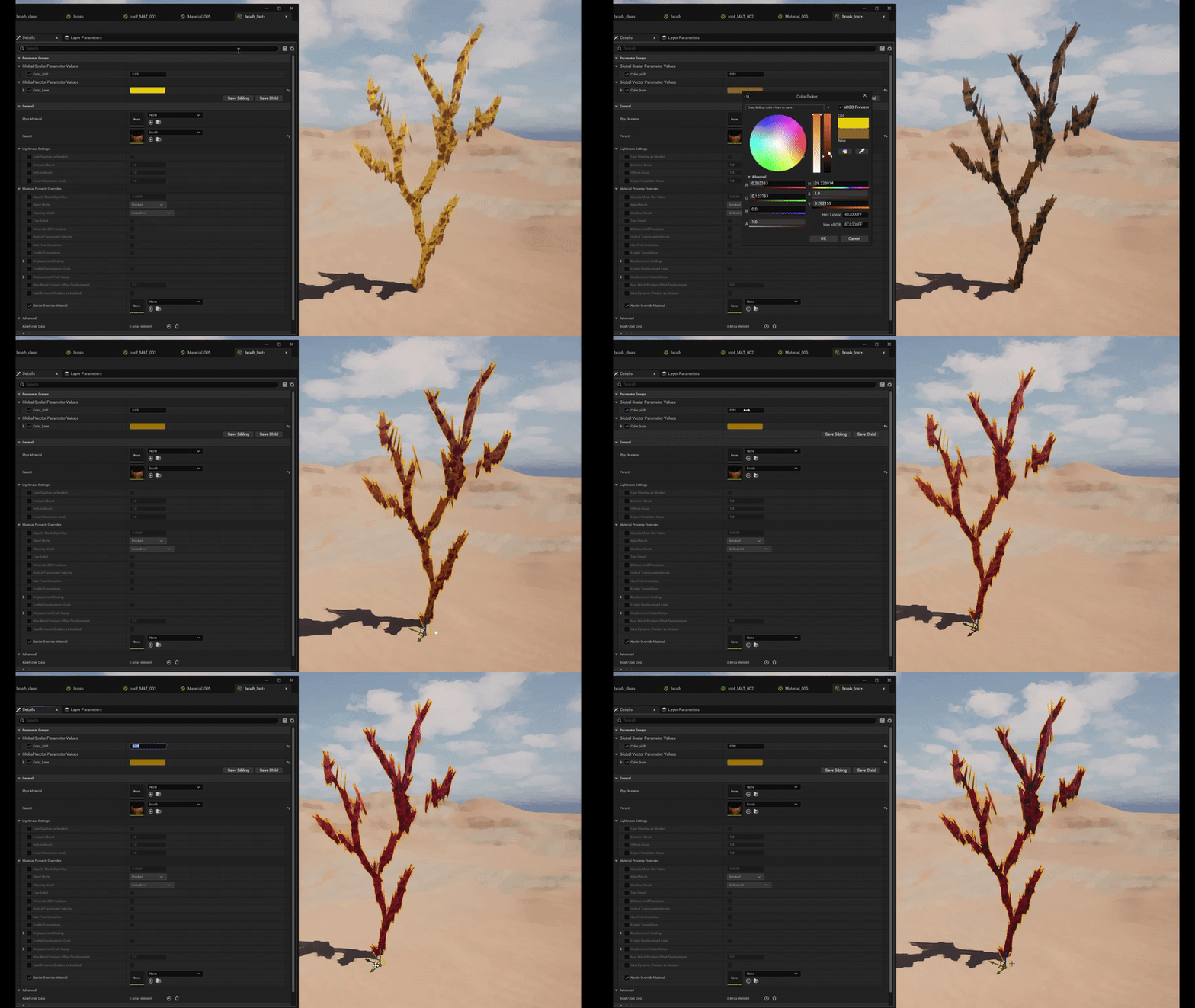
Color variation base on location
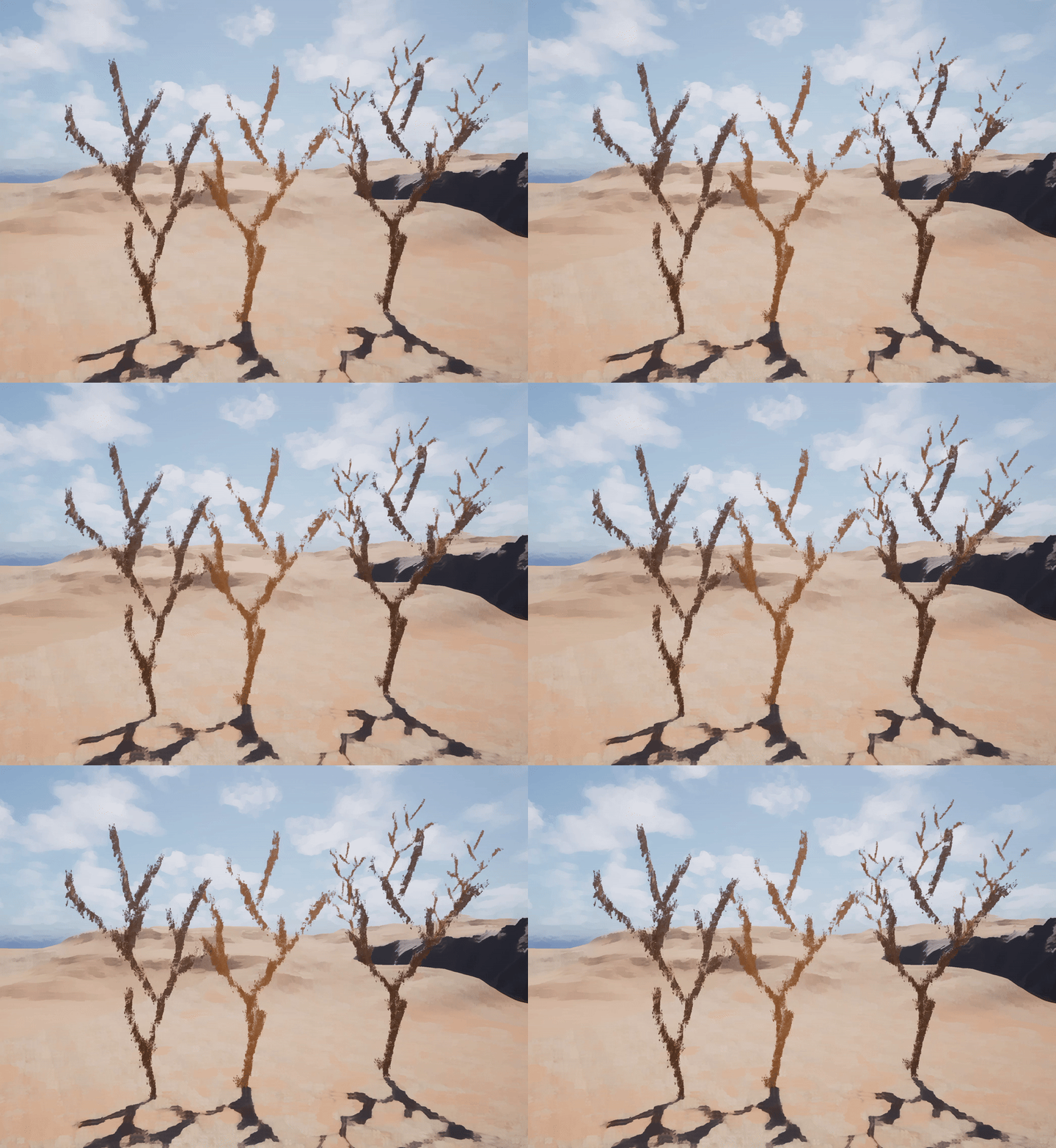
With wind
Inspired by famous oil paintings and the movie Loving Vincent, I observed that layering brush strokes in different directions adds visual interest and depth to the environment. To replicate this effect in our desert scene, I developed the foliage system without relying on post-process shaders. Instead, I used procedural generation techniques to create the plants, added a wind system with adjustable speed to simulate movement, and applied subtle color variations based on each plant’s location. This approach recreated the painterly, layered effect of hand-painted environments while maintaining control over detail and variation.